Deep Cleaning Services List: What to Clean, Room by Room
By late spring in Dallas, a house can look completely tidy and still feel slightly grimy. Yellow oak pollen lines the windowsills, gray dust clings to the AC return vents after months of cooling, and the cabinets above the stove hold a faint sticky film even though you wiped the counters after dinner. That gap between "picked up" and thoroughly clean is why a deep cleaning services list looks very different from a weekly chore chart.
Routine maintenance keeps clean surfaces looking good, while deep cleaning removes built-up residue from the spots regular visits skip. According to the U.S. Environmental Protection Agency's indoor air quality guide, source control, which means identifying and eliminating pollution sources directly, is generally the most effective way to improve indoor air. A true deep clean makes the most sense for first-time cleanings, seasonal resets, or homes across Dallas, Preston Hollow, and Plano that haven't had a detailed reset recently.
At Gmaids, our green cleaning team has served Dallas-Fort Worth since 2004 using non-toxic, fragrance-free plant-derived and mineral-based products with no bleach, ammonia, or synthetic scents. Whether you're planning a weekend DIY blitz or looking to find deep cleaning services nearby, this room-by-room breakdown shows what needs resetting and why ingredients matter for kids, pets, and sensitive noses.
Table of Contents
- 1. Kitchen
- 2. Bathrooms
- 3. Bedrooms and Closets
- 4. Living and Dining Areas
- 5. Whole-Home Details
- Deep-clean priorities by room
- Turn This Checklist Into a Plan That Sticks
1. Kitchen
Say a busy family wipes down the granite island and stovetop every evening after dinner. On the surface, the kitchen looks spotless. Run a finger along the lip of the range hood, the cabinet pulls near the oven, or the top trim of the fridge, though, and you'll pick up a tacky layer of cooking oil mixed with household dust.
Routine kitchen cleaning handles crumbs, counters, sinks, and appliance fronts. Deep cleaning breaks down that aerosolized grease film before it traps odors and grime across every reachable surface. Because kids lean their forearms on the island and dogs lick stray drops off the floor, what you spray here ends up close to food and skin.
The EPA Care for Your Air guide notes that cleaning supplies emit volatile organic compounds (VOCs), citing a study of 37 common consumer products (including cleaners, air fresheners, laundry products, and personal-care items) that released 156 different VOCs, averaging 15 VOCs per product. Notably, green-fragranced products didn't differ significantly from conventional scented ones in carcinogenic hazardous air pollutant emissions.
Label check: "Fragrance-free" means synthetic scents are left out completely. "Unscented" products often include masking chemicals to hide odor, so always check the ingredient list before spraying near food prep zones.
I recommend pairing a mild plant-based degreaser with warm water and microfiber cloths on cabinet faces, backsplash grout lines, and removable range hood mesh filters. For hand-washing stray dishes or cutting boards, we use Palmolive Ultra Dishwashing Liquid, which cuts grease cleanly without leaving heavy chemical residue behind.
Reachable Surfaces Versus Optional Appliance Interiors
Standard deep cleaning should stick to reachable, removable parts you can clean safely without damaging electrical components or finishes. Here's how to split the work cleanly:
- Included in a Standard Deep Clean: Scrubbing the backsplash, degreasing the range hood exterior and removable filters, wiping cabinet fronts and hardware, detailing baseboards, and polishing appliance exteriors.
- Optional Interior Add-Ons: Tackling oven interior deep cleaning, wiping down the refrigerator interior, cleaning inside cabinets and drawers, and washing a sinkful of dishes are selected as add-ons for a deep clean (though all of those interiors come standard with move-in/move-out cleaning).
- Safe DIY Oven Resets: Skip aerosol oven sprays that fill the kitchen with caustic fumes; if you're tackling baked-on drips yourself, follow our guide to deep cleaning an oven without harsh fumes using baking soda, water, and patience.
2. Bathrooms
In the American Cleaning Institute's 2024 National Cleaning Survey, 38% of surveyed U.S. adults named cleaning filthy areas, including bathrooms, vents, and basements, among the spring-cleaning tasks they dreaded most. It's easy to see why. Bathrooms take more time per square foot than any other room because water, steam, body oils, and mineral deposits fuse together along every edge.
Consider a guest bathroom in Lake Highlands that gets back-to-back hot showers during a humid Texas stretch. Even if someone wipes the vanity and swishes the toilet bowl every weekend, chalky hard-water rings cloud the glass door, soap film hardens along the shower track, and damp lint cakes across the ceiling exhaust fan grille.
Here's a closer look at the high-moisture zones that collect buildup fastest in a family bathroom.
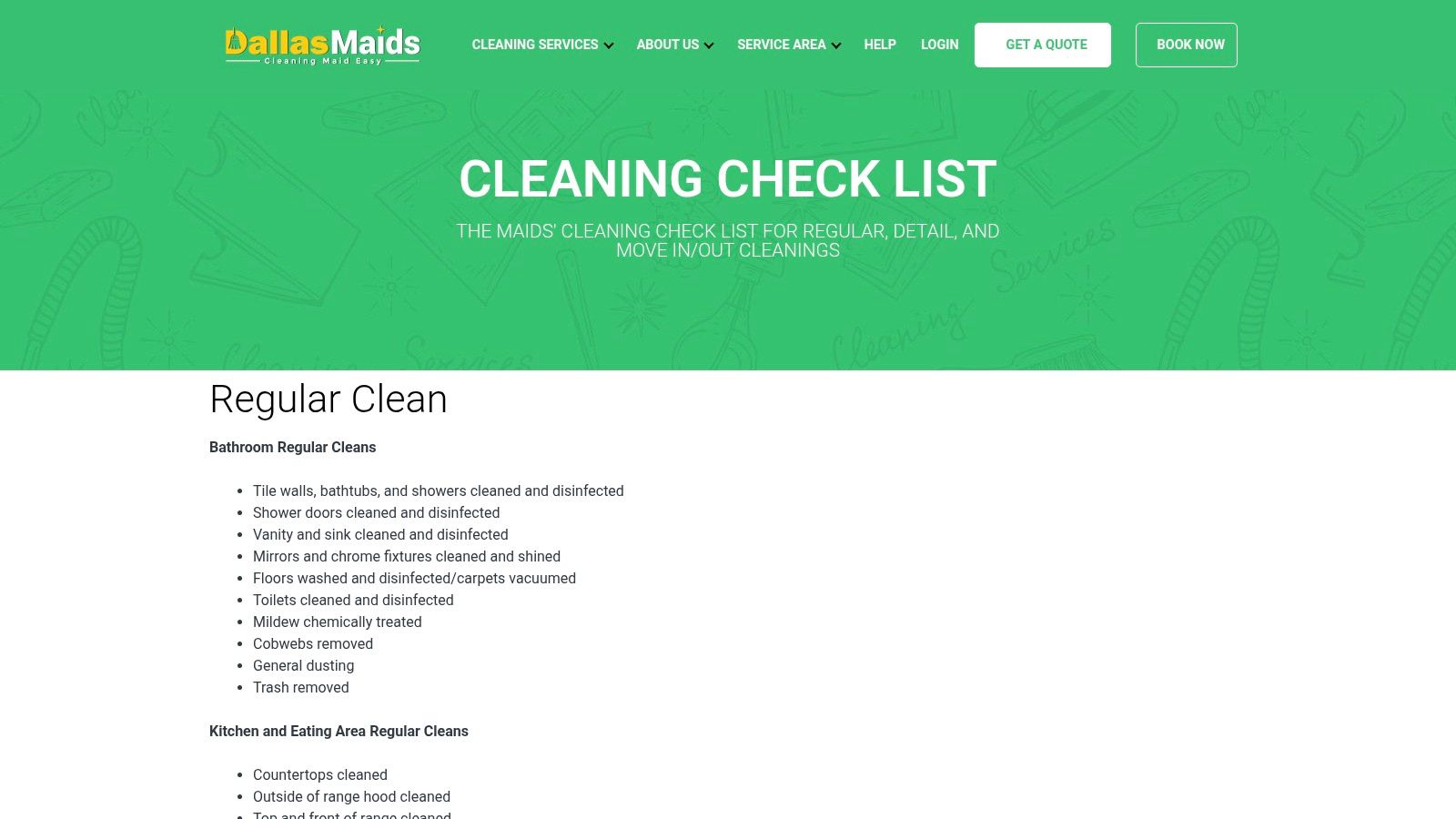
A deep clean goes right into those corners and seams instead of skimming the open tile. Scraping away mineral buildup gently matters for glass longevity, too; similar to Pine Country's spot-removal process, lifting hard-water deposits with the right mineral-safe approach restores clarity without scratching etched surfaces. Vacuuming and wiping the exhaust fan cover is just as important, since a clogged fan can't pull shower humidity out of the room.
Skipping Bleach and Ammonia in Closed Spaces
Bathrooms are usually the smallest, least-ventilated rooms in the house, which makes them the worst place to spray bleach or ammonia. Harsh fumes linger at breathing height for toddlers sitting in the tub, pregnant moms, and pets who wander in while you're scrubbing. Worse, mixing bleach and ammonia by accident creates toxic gas.
- Mineral-Based Scrubs Over Bleach: Use a gentle, plant-derived bathroom cleaner or fine mineral scrub with a soft nylon brush along grout lines, faucet bases, and tub caulking to lift soap scum without harsh fumes.
- Natural Mildew Treatment: For dark spots clinging to shower corners, try removing shower mildew naturally with hydrogen peroxide or white vinegar (never mixed together) plus thorough rinsing and drying.
- High-Impact Bathroom Add-Ons: If vanity drawers are dusty with stray hair and cosmetics or tile lines have turned dark, add inside cabinets and drawers or a detail grout scrub to your deep cleaning scope so nothing gets half-finished.
3. Bedrooms and Closets
Always dust bedrooms from the ceiling down so falling debris lands on the floor once and gets vacuumed away at the end. In Dallas-Fort Worth, where oak pollen drifts in during spring and cedar pollen peaks in winter, bedrooms accumulate more fine particulates than most parents realize. Since your family spends roughly a third of every day sleeping in these rooms, reducing dust at its source makes a noticeable difference in how the air feels overnight.
According to the EPA guide on indoor particulate matter, household dust can hold biological particles including pollen, mold spores, pet dander, dust mites, skin flakes, and hair, many of which contain allergens that can trigger asthma symptoms. The EPA recommends vacuuming carpets and furniture every week or more often to lower dust, dust mites, and animal dander. It also warns that pine- or citrus-scented cleaners can react with indoor ozone to form fine particulate matter and formaldehyde, which is another strong reason to keep synthetic fragrance out of bedrooms.
A clear top-to-bottom sequence keeps bedroom dust from resettling on freshly washed bedding.
Say a golden retriever naps at the foot of the bed in a Frisco two-story while windows stay cracked during mild March afternoons. Weekly basic cleaning clears the nightstands and runs a vacuum across the center of the rug, but fine hair and pollen pack along the baseboards, sit on window tracks, and drift deep under the bed frame. A deep clean resets all of those edges, plus ceiling fan blades, lampshades, door tops, and window sills.
Skip the dry feather duster. Dampened microfiber cloths trap pollen and pet dander on contact instead of launching fine particles right back into the bedroom air.
Why Closet Floors and Shelves Belong on Your List
Closets get skipped in almost every routine clean because the doors stay shut. Yet shoes track outdoor soil, grass, and street residue straight onto closet carpet or hardwood, and hanging clothes shed lint that settles along top shelves and baseboards.
Pulling shoes off the floor twice a year to vacuum corners, wipe shelving with a fragrance-free solution, and clear cobwebs keeps floor dust from transferring onto clean sweaters and bed linens. If a seasonal reset reveals overstuffed bins or mismatched hangers, pairing your deep clean with a professional organizer right before the cleaning visit lets the team reach every empty shelf and corner cleanly.
4. Living and Dining Areas
Say a family in a newer Prosper or McKinney home gets ready to host holiday guests. Sunlight hits the family room at four o'clock and suddenly highlights gray lint along the window blinds, cracker crumbs wedged inside sofa seams, and fine construction dust still sitting on the high dining chandelier and HVAC return grilles. Living and dining rooms absorb the heaviest daily foot traffic, snack spills, and pet lounging, so surface tidying only goes so far.
Routine visits handle coffee tables, TV consoles, and open carpet lanes. Deep cleaning targets the hidden dust traps that circulate particles back into the room every time the air conditioning kicks on during a long North Texas summer.
Focusing on high fixtures, upholstery crevices, and floor edges transforms how the main gathering spaces look and feel.
Fine dust from new construction or remodeling is especially stubborn in growing suburbs like Prosper, Celina, and McKinney. Under the EPA Renovation, Repair, and Painting Rule, cleanup of renovation dust requires qualifying HEPA vacuums built to capture 99.97% of particles measuring 0.3 microns without air bypassing the filter, rather than sweeping fine dust back into the air. If you've just wrapped up a remodel or moved into a brand-new build, booking dedicated post-construction cleaning ensures ledges, vents, and floor edges get that level of particulate removal before your furniture moves in.
Delicate Fixtures and Fragrance-Free Spot Care
Living spaces mix delicate materials with heavy everyday wear, which means one-size-fits-all sprays can ruin wood finishes or leave sticky films on fabric.
- Upholstery and Carpet Edges: Vacuum sofa cushions, armrests, and the narrow perimeter where carpet meets the baseboard, because pet hair and food crumbs migrate straight to the edges. Use strictly fragrance-free products for basic carpet spot treatment so babies crawling and pets napping on rugs aren't resting on synthetic scent residues (and call a dedicated carpet and upholstery cleaner when deep hot-water extraction is needed).
- Blinds, Shutters, and Interior Glass: Hand-wiping blinds and shutters and detailing interior windows are available as living-area add-ons, clearing away pollen and fingerprints that dim natural light.
- Chandeliers and Vent Grilles: Dust supply vents and return grilles so your HVAC system doesn't blow trapped lint across clean furniture (for buildup deeper inside ductwork, schedule a local air duct and HVAC service). For ornate dining lights, check our method for cleaning a crystal chandelier safely without harsh ammonia sprays that tarnish metal frames.
5. Whole-Home Details
The small touchpoints connecting every room are what separate a house that merely looks straightened from one that feels fresh. Think of hallway light switches, doorknobs, stair railings, ceiling fans, entry mudrooms, and the narrow gap behind your washer and dryer where lint and detergent drips collect out of sight.
Say two kids come home from soccer practice, kick muddy cleats off by the back door, and press dirty hands against every hallway switch plate and pantry handle on the way to the kitchen. Routine tidying rarely wipes door frames or switch covers, yet your family touches those spots dozens of times a day.
Detailing transitions, entry zones, and high-touch hardware pulls the entire home together in one sweep.

When you want microbial reduction on those shared surfaces, sequence matters as much as the bottle in your hand. Guidance from the Centers for Disease Control and Prevention on cleaning and disinfecting homes states that visibly dirty surfaces must be cleaned before disinfection, and disinfectants must stay visibly wet for the product's labeled contact time to work. High-touch points like doorknobs, light switches, handles, faucets, and sinks generally need at least daily attention in shared environments. For households recovering from illness, or for Dallas offices, retail shops, and rental turnovers, our Sanitizing Cleaning pairs EPA-approved disinfectants with non-toxic botanical solutions for thorough high-touch coverage.
Spraying a disinfectant and wiping it dry three seconds later cleans off surface dirt, but it skips the wet contact time needed to actually disinfect.
Special Care for Older Homes and Utility Zones
Older Dallas neighborhoods like Highland Park, Lakewood, and Oak Cliff bring charm, tall trim, and solid wood doors, along with an important safety boundary after home projects. According to the EPA lead-safe renovation guide, renovation, repair, or painting in pre-1978 homes can disturb lead-based paint and create dangerous lead dust. Standard residential deep cleaning is not lead abatement, so suspected lead dust requires qualified professionals following EPA lead-safe containment and cleanup procedures.
For everyday whole-home resets, don't overlook the utility zones that feed dust back into your living areas:
- Laundry Room Detailing: Pull dryer lint from hoses and behind machines, wipe washer gaskets to prevent musty odors, and clean detergent residue off utility sinks.
- Entryways and Baseboards: Sweep and damp-mop entry tiles, wipe scuffed door panels, and detail trim where pet noses and shoe scuffs leave marks.
- Whole-Home Add-Ons: When you want the perimeter reset alongside the interior, add all interior windows, sweeping the garage, or detailing exterior trash cans and lids to keep outdoor grime from migrating back indoors.
Deep-clean priorities by room
| Room | Deep-clean priority | Often-missed spot | Best for |
|---|---|---|---|
| Kitchen | Grease and cooking residue on hood, cabinets, and backsplash | Range hood filter and tops of upper cabinets | Homes with kids doing homework at the counter or pets sharing the kitchen floor |
| Bathrooms | Hard-water film, soap scum, and grout lines | Shower door tracks, exhaust fan cover, and toilet base | Families with young children or homes that run the fan during humid weather |
| Bedrooms and Closets | Fine dust, pollen, and pet hair on baseboards, fans, and sills | Window tracks, tops of door frames, and under-bed floor space | Pet owners and households with spring or winter allergy seasons |
| Living and Dining Areas | Dust on blinds and windows, pet hair in upholstery, and carpet edges | Vents and registers, cushion crevices, and backs of sofas | Pet households, homes that host often, and anyone sensitive to dust |
| Whole-Home Details | High-touch surfaces, vents, and entry-area grime | Air return grilles, doorknob plates, and washer gasket | Busy professional families and households with heavy foot traffic |
Turn This Checklist Into a Plan That Sticks
A full deep cleaning services list can look intimidating if you try to tackle every bullet in one Saturday. Walk your house with a notepad instead, and circle the two or three rooms with the heaviest buildup, usually the kitchen, primary bath, and main living area. Handle the quick decluttering and laundry yourself, then hand off the scrubbing, high dusting, and baseboard detailing to a trained team. That split is the difference between a plan you finish and one you abandon by lunchtime.
Timing your reset around local weather makes the work last longer. Just as spring cleaning timing in Phoenix aligns around dust and heavy cooling stretches, homes in Dallas, University Park, and Southlake benefit most from a deep clean right after spring oak pollen subsides, before holiday hosting, or as a clean baseline before starting weekly, biweekly, or monthly recurring maid service. For households with allergies, that post-pollen window matters most, since a deep clean clears out what months of closed windows let settle in.
When you're ready to hand off the heavy lifting, Gmaids Certified Cleaning Teams® arrive trained, background-checked, and insured, bringing every tool and our non-toxic, fragrance-free products straight to your door. Every visit follows our 50+ point Green Cleaning Checklist, so nothing on the list depends on memory or guesswork.
One-time deep cleaning starts at $412.69, while basic cleaning starts at $304.44 if your home is already in good shape and just needs a quick refresh. Optional add-ons like oven or refrigerator interiors are selected right at booking, and our instant online quote takes about 60 seconds, showing your exact flat-rate price before you commit. If your home has quirks worth talking through, such as a shedding dog or a nursery you want kept fragrance-free down to the last wipe, call 214-997-6918 for a custom plan covering your home, move-in/move-out, or Dallas office.
Ready to clear out built-up grease, pollen, and pet dander without filling your home with synthetic scents or harsh fumes? Explore our room-by-room non-toxic services and grab your 60-second instant flat-rate quote at Gmaids, or call 214-997-6918 to schedule a deep clean or recurring visit for your Dallas-Fort Worth home.


Ready for a healthier, cleaner home?